Optimizing Tanker Truck Fleet Management for Efficient Transportation and Logistics
Introduction In the realm of transportation and logistics, tanker trucks play a crucial role in the safe and efficient transportation of liquid cargo, such as fuels, chemicals, and food products. Managing a fleet of tanker trucks comes with its own set of challenges and complexities, ranging from ensuring compliance with regulations to maximizing operational efficiency. In this article, we will delve into the intricacies of tanker truck fleet management, exploring best practices, technologies, and strategies to optimize fleet performance and streamline operations. 1. Importance of Tanker Truck Fleet Management Tanker truck fleet management is essential for companies involved in the transportation of liquid cargo. Efficient fleet management can lead to cost savings, improved safety, enhanced customer service, and reduced environmental impact. By effectively managing a fleet of tanker trucks, companies can ensure on-time deliveries, minimize downtime, and maintain regulatory compliance. 2. Key Challenges in Tanker Truck Fleet Management Managing a fleet of tanker trucks presents several challenges that fleet managers must address to ensure smooth operations. Some of the key challenges include: – Regulatory Compliance: Tanker truck operations are subject to a myriad of regulations governing driver hours of service, vehicle maintenance, hazardous materials transportation, and more. Ensuring compliance with these regulations is crucial to avoid fines, penalties, and reputational damage. – Safety: Tanker trucks carry hazardous materials, making safety a top priority. Fleet managers must implement rigorous safety protocols, provide training to drivers, and conduct regular vehicle inspections to prevent accidents and ensure the well-being of drivers and the public. – Fuel Efficiency: Tanker trucks are heavy vehicles that consume a significant amount of fuel. Fleet managers must focus on improving fuel efficiency through route optimization, vehicle maintenance, driver behavior monitoring, and the adoption of fuel-saving technologies. – Maintenance Management: Regular maintenance is essential to keep tanker trucks in optimal condition and prevent breakdowns. Fleet managers must schedule preventive maintenance, track vehicle performance metrics, and address maintenance issues promptly to minimize downtime. 3. Best Practices in Tanker Truck Fleet Management To overcome the challenges associated with managing a fleet of tanker trucks, companies can adopt best practices that promote efficiency, safety, and compliance. Some of the best practices include: – Implementing a robust fleet management system: Utilizing a comprehensive fleet management system can provide real-time visibility into vehicle location, driver behavior, fuel consumption, and maintenance schedules. These systems enable fleet managers to make data-driven decisions and optimize operations. – Conducting regular driver training: Well-trained drivers are essential for safe and efficient tanker truck operations. Fleet managers should provide ongoing training on defensive driving, hazardous materials handling, and regulatory compliance to ensure that drivers are equipped with the necessary skills and knowledge. – Embracing telematics technology: Telematics technology, such as GPS tracking, vehicle diagnostics, and fuel monitoring, can help fleet managers monitor vehicle performance, optimize routes, and improve fuel efficiency. By leveraging telematics data, companies can identify areas for improvement and enhance overall fleet productivity. – Developing preventive maintenance programs: Establishing a proactive maintenance schedule is critical for keeping tanker trucks in top condition. Fleet managers should track vehicle maintenance history, conduct regular inspections, and address maintenance issues promptly to prevent costly breakdowns and downtime. – Enhancing driver communication: Effective communication between fleet managers and drivers is essential for efficient operations. Fleet managers should establish clear communication channels, provide timely feedback to drivers, and address any concerns or issues that may arise during the course of operations. 4. Technologies for Tanker Truck Fleet Management Advancements in technology have revolutionized the way tanker truck fleets are managed, offering innovative solutions to enhance efficiency, safety, and compliance. Some of the key technologies for tanker truck fleet management include: – GPS tracking systems: GPS tracking systems enable fleet managers to monitor vehicle location in real-time, optimize routes, and improve overall fleet efficiency. By tracking vehicle movements, managers can identify inefficiencies, reduce idle time, and enhance on-time deliveries. – Electronic logging devices (ELDs): ELDs are electronic devices that automatically record driver hours of service, vehicle inspection reports, and other compliance data. By using ELDs, fleet managers can ensure that drivers adhere to hours of service regulations, prevent fatigue-related accidents, and maintain compliance with regulatory requirements. – Vehicle diagnostics systems: Vehicle diagnostics systems provide real-time insights into vehicle performance metrics, such as fuel consumption, engine health, and maintenance alerts. By monitoring these metrics, fleet managers can proactively address maintenance issues, optimize fuel efficiency, and extend the lifespan of their vehicles. – Mobile applications: Mobile applications designed for tanker truck fleet management enable drivers to access important information, communicate with dispatchers, and perform pre-trip inspections digitally. These applications streamline communication, enhance driver productivity, and improve overall operational efficiency. – Predictive analytics: Predictive analytics technology utilizes data analysis and machine learning algorithms to forecast maintenance needs, identify potential safety risks, and optimize fleet operations. By leveraging predictive analytics, fleet managers can make informed decisions, prevent breakdowns, and reduce maintenance costs. 5. Future Trends in Tanker Truck Fleet Management Looking ahead, the future of tanker truck fleet management is poised to be shaped by emerging trends and technologies that offer new opportunities for optimization and innovation. Some of the key trends that are expected to influence the future of tanker truck fleet management include: – Autonomous vehicles: The development of autonomous driving technology has the potential to revolutionize tanker truck operations by improving safety, efficiency, and driver productivity. Fleet managers may increasingly explore the use of autonomous vehicles to enhance fleet operations and address driver shortages. – water tank truck : As environmental concerns continue to grow, companies are increasingly focused on implementing sustainable practices in their operations. In tanker truck fleet management, this may involve adopting alternative fuels, reducing emissions, and optimizing routes to minimize environmental impact. – Blockchain technology: Blockchain technology offers secure, transparent, and tamper-proof data storage, which can be beneficial for tracking and verifying transactions in the tanker truck industry. Fleet managers may leverage blockchain technology to enhance transparency, traceability, and compliance in their operations. – Artificial intelligence (AI) and machine learning: AI and machine learning technologies can analyze vast amounts of data to identify patterns, forecast maintenance needs, and optimize route planning. Fleet managers can leverage AI-powered solutions to make data-driven decisions, improve operational efficiency, and reduce costs. 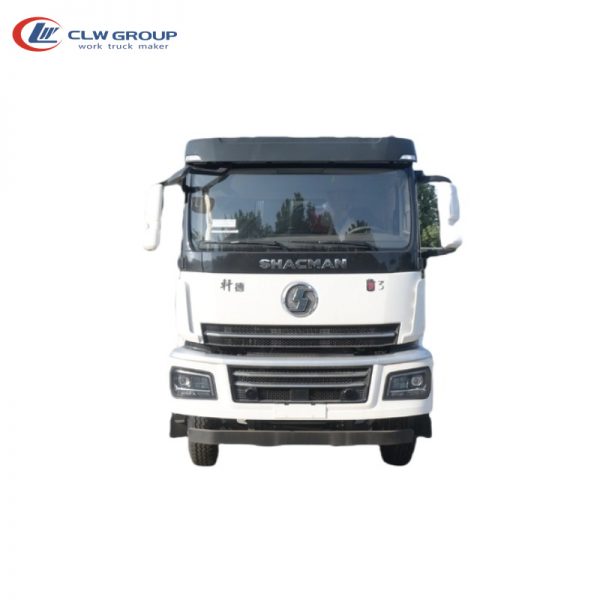 Conclusion Effective tanker truck fleet management is essential for companies to ensure the safe, efficient, and compliant transportation of liquid cargo. By implementing best practices, leveraging advanced technologies, and staying ahead of emerging trends, companies can optimize their tanker truck fleet operations, reduce costs, and enhance overall performance. With a focus on efficiency, safety, and sustainability, tanker truck fleet management can drive operational excellence and competitive advantage in the dynamic transportation and logistics industry.